“Conservation is at the heart of everything we do at Quex”
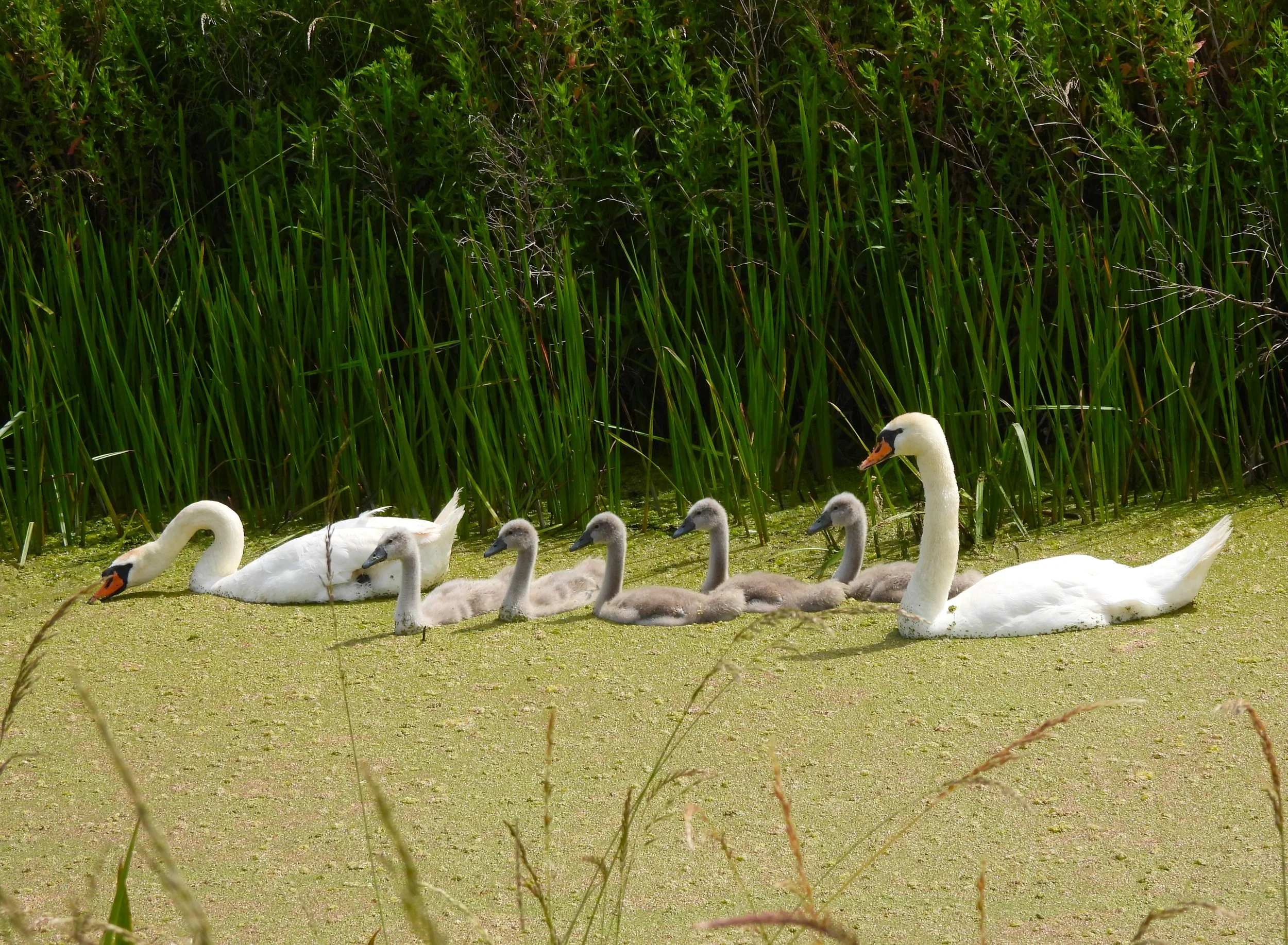
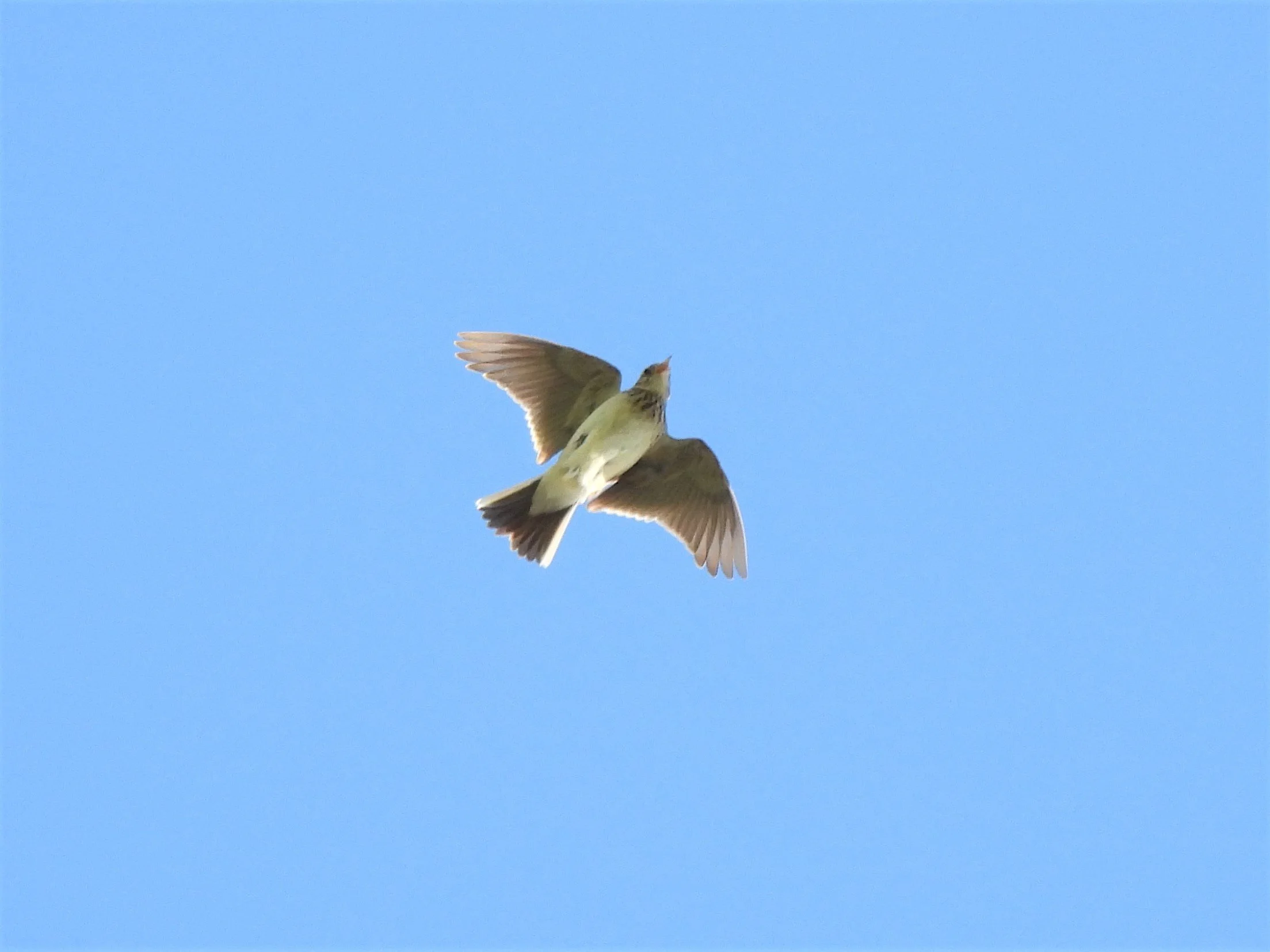
Quex Farms is a partner in various environmental schemes and has over 270 acres dedicated to conservation management. The estate is an oasis for migrating birds, so we provide supplementary food and rainwater catchments. Adjacent to the River Stour, 150 acres have been dedicated to low-level grazing, which encourages ground-nesting birds to breed and native plants to flourish. Three species of bats are present on the estate in our network of caves.
-
Protecting our Bird Population
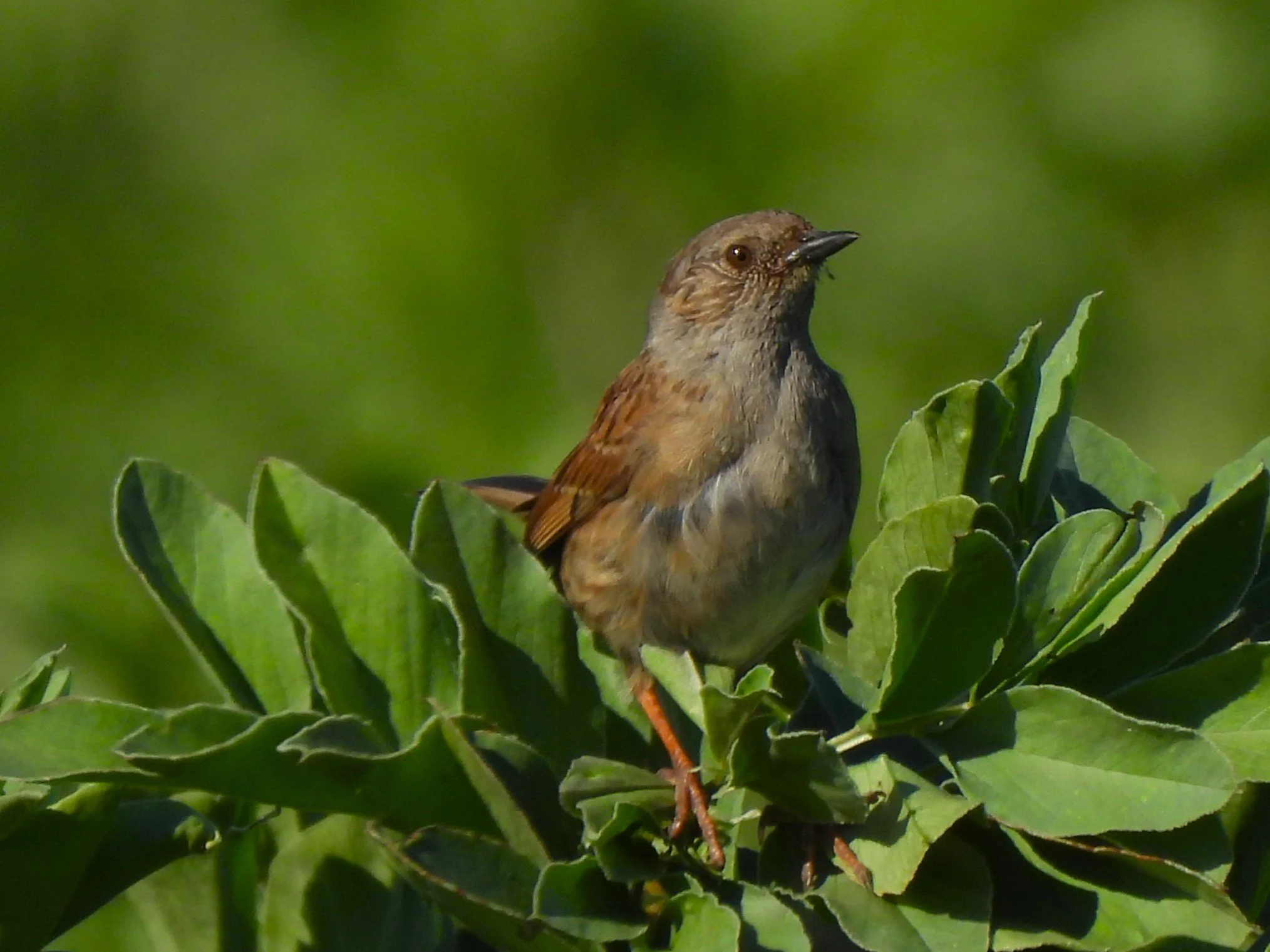
Encouraging birds to our fields helps protect our crops from destructive insects, while protecting and nurturing our wildlife for future generations. This image is of a Dunnock on our Fava Bean crop.
-
Welcoming pollinators
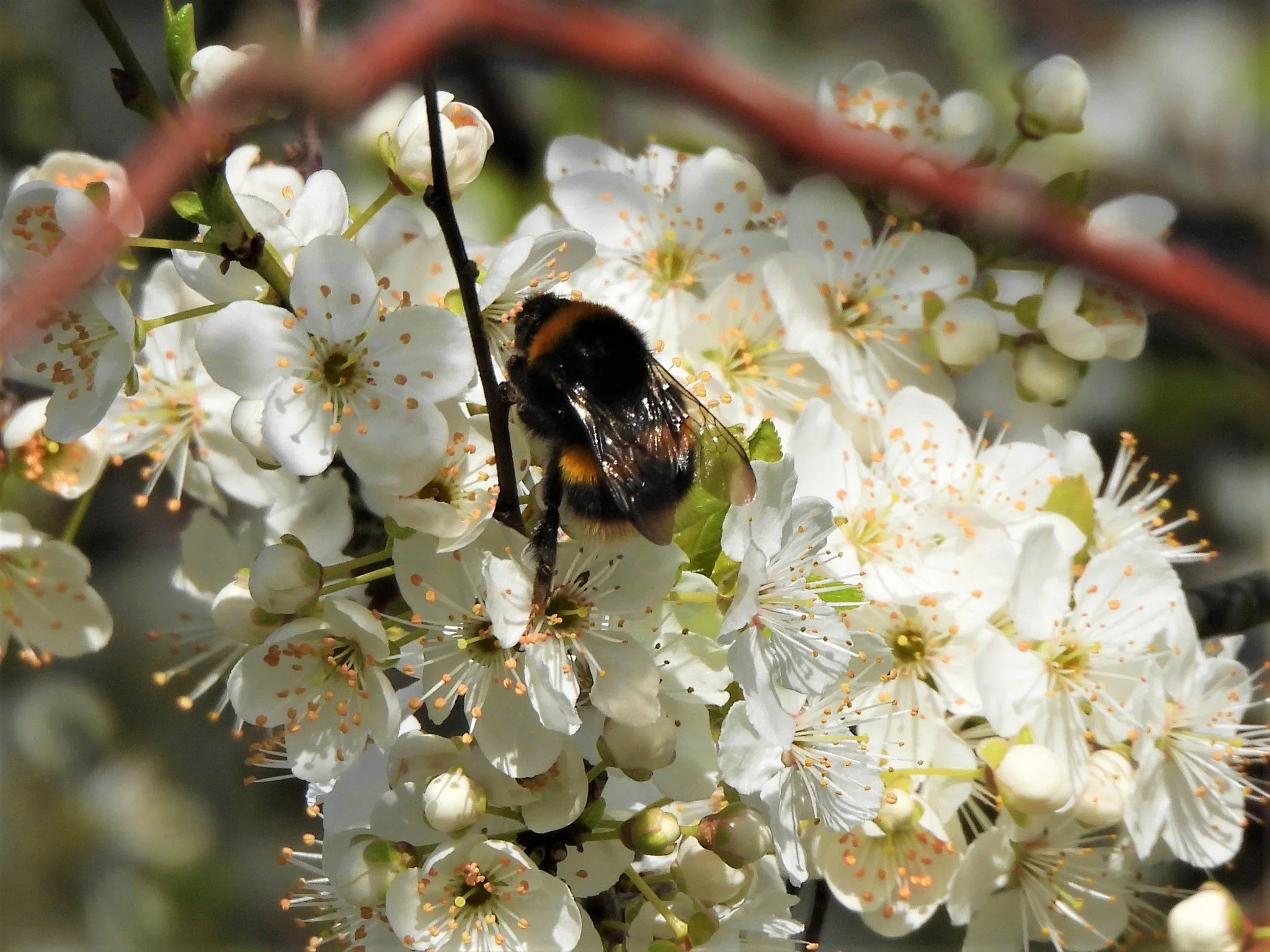
Welcoming pollinating insects to the fields can produce a better outcome for the crop with increased pollination which not only results in a better crop but also improves the crop for the future.
-
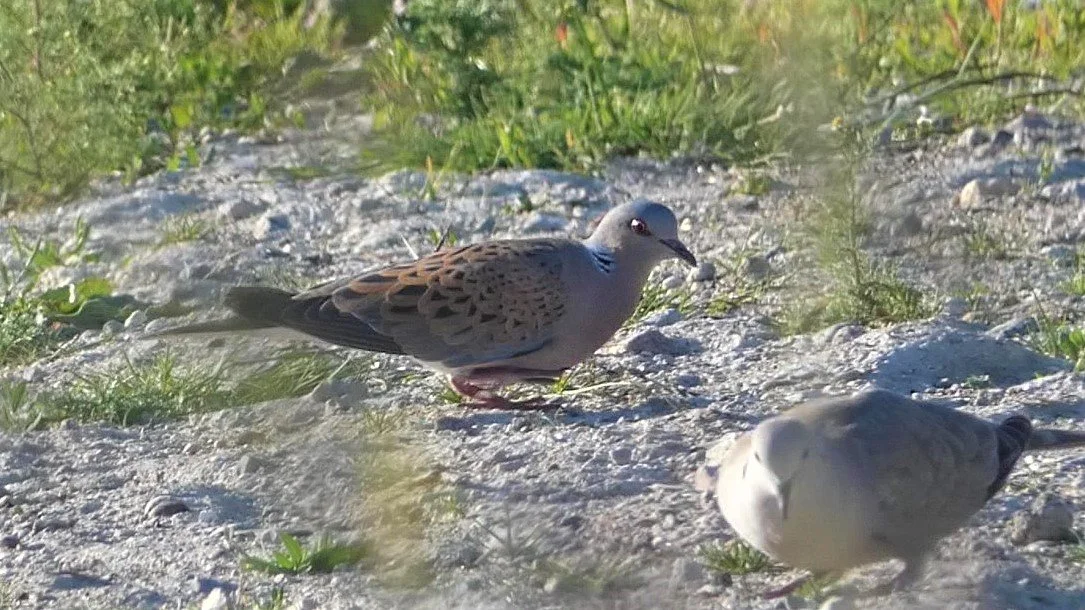
Turtle Doves on the Estate
Quex Farms supports Operation Turtle Dove by providing safe nesting areas and supplementary feeding in a remote part of the estate. Turtle Doves are Red-listed and protected by law, and it is encouraging that their breeding numbers are now increasing following stronger protection across Europe.
-
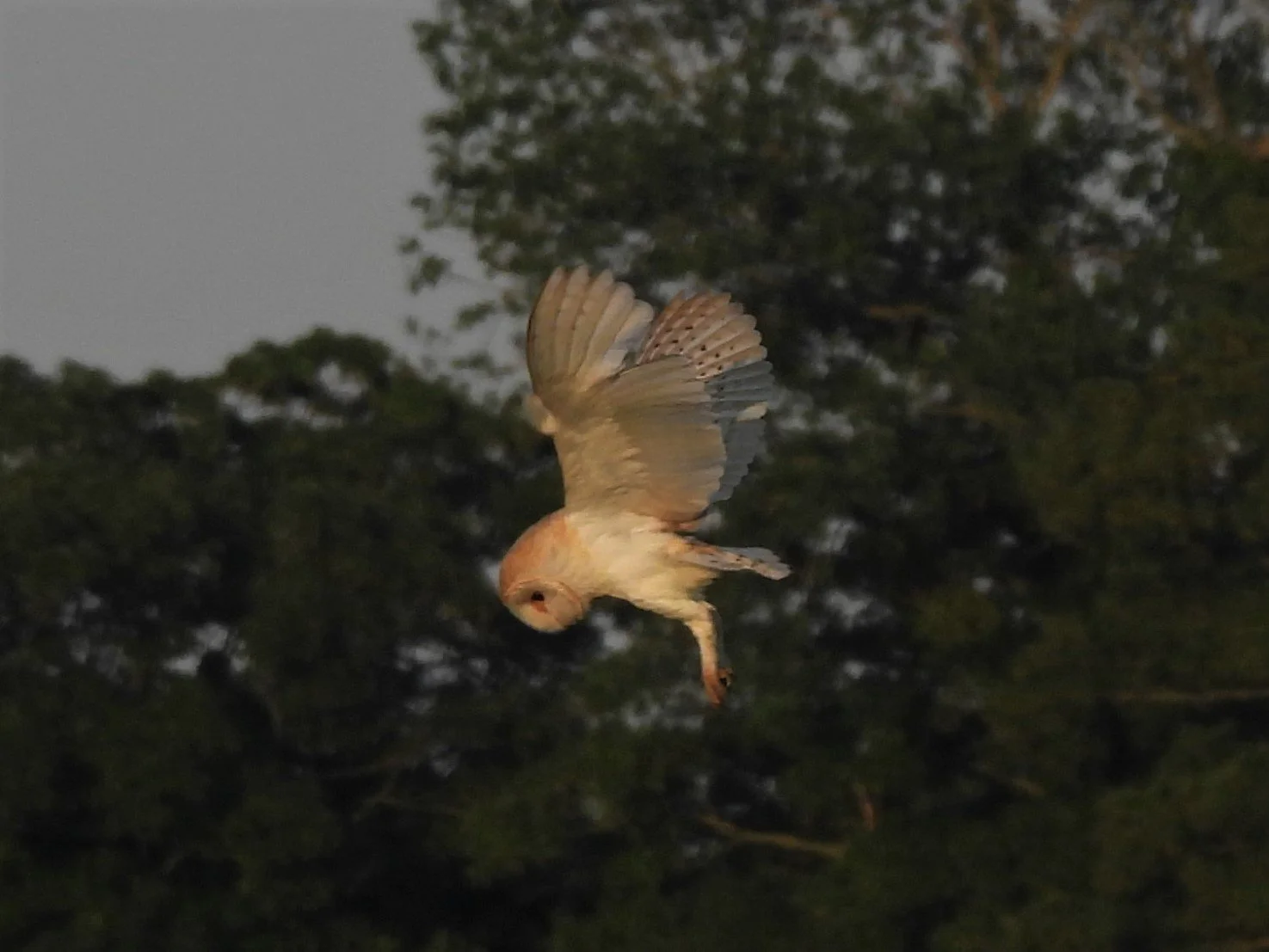
Quex Farms Feeds the Birds
Quex Farms provides supplementary feeding, nesting areas, and scraped hollows for rainwater. Across our farmland, 85 bird species have been recorded, rising to 175 at our Richborough site, where low-level grazing along the River Stour supports ground-nesting birds and native plants.
-
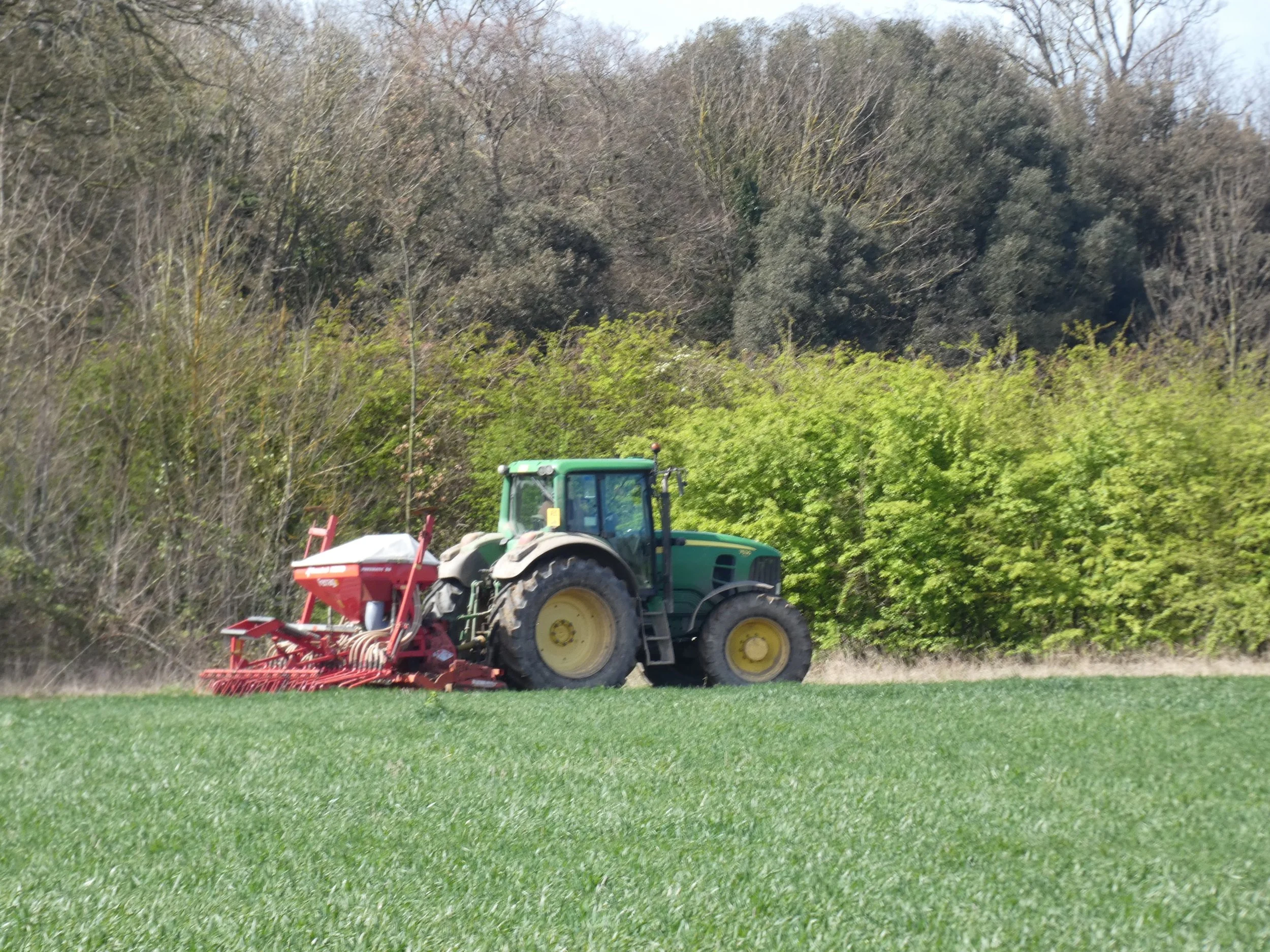
Tree and Hedgerow planting
Conservation projects at Quex Farms have included planting over 4,000 trees and miles of hedgerows, which not only protects the land from wind erosion but also provides homes for nesting birds. We have also planted nearly 20 miles worth of ‘field margins’ with native grasses and nectar plants. This will feed and sustain insects such as bees, butterflies and other pollinators, so vital for our crops.
-
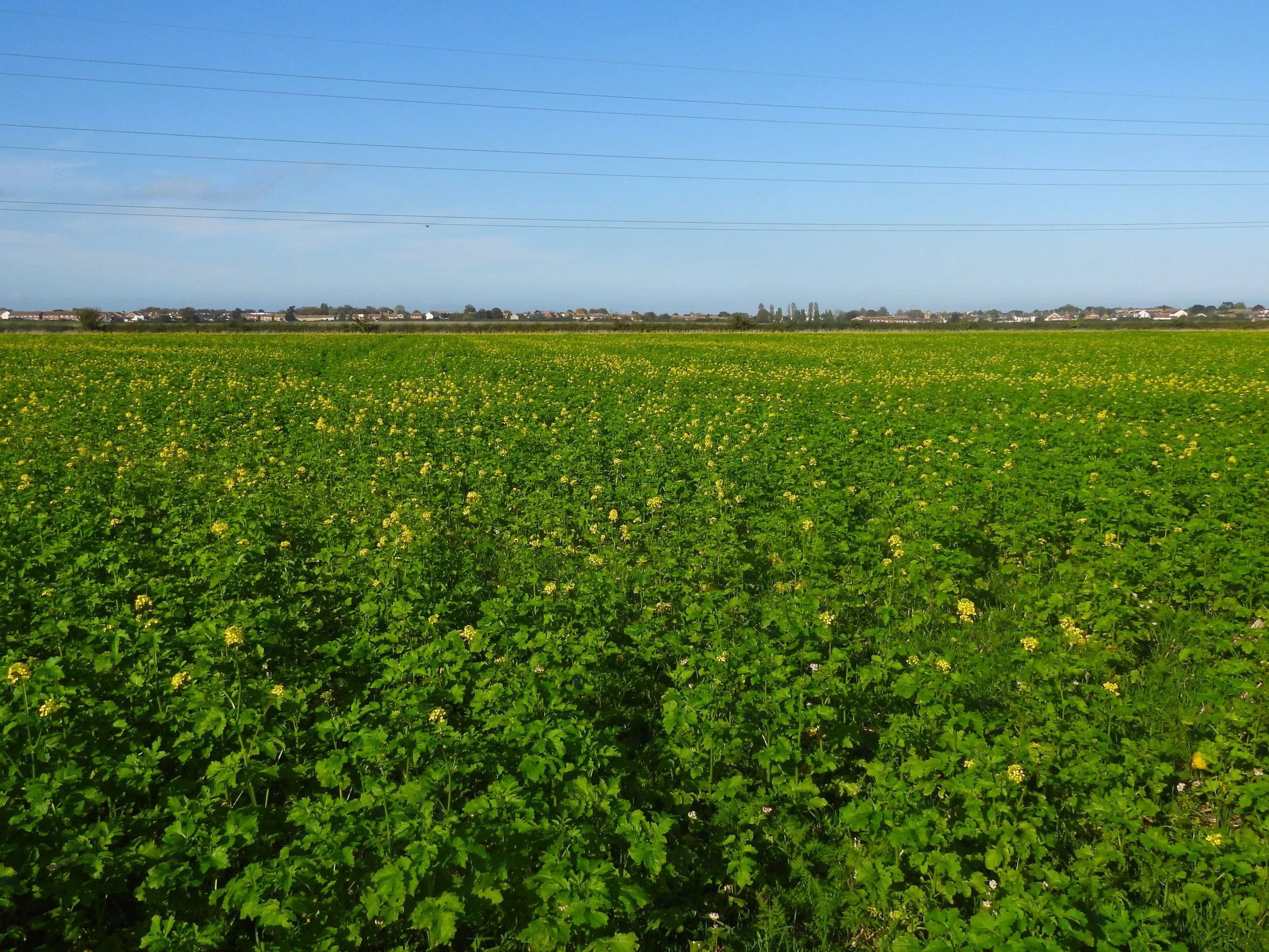
Regenerative farming
Quex Farms uses wildflower margins, cover crops, and direct drilling to protect soil from erosion, runoff, and nutrient loss. This regenerative approach improves soil health, boosts earthworms and micro-organisms, reduces compaction, and lowers fuel and labour costs. Flowering margins and cover crops also attract pollinators, benefiting both biodiversity and crop performance.
-
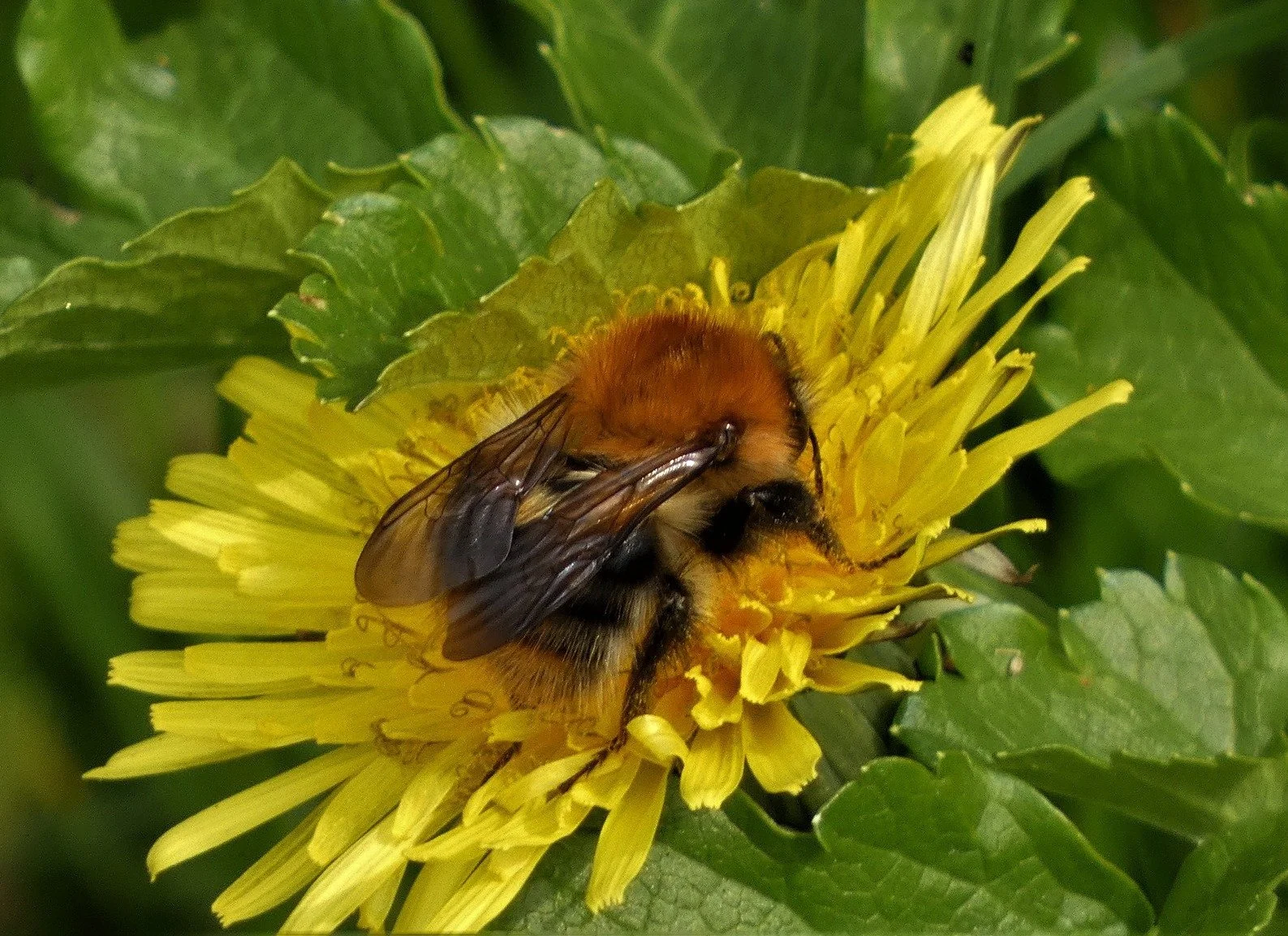
Bee Bonanza!
At Quex Farm, we leave the wildflowers to grow naturally along the hedges of our fields and plant more bee attracting flowers in the field margins.